Unicorn Ink Font for Creative Brands
As a small business owner, I’ve always believed that the little details make a big difference. When I first started my handmade candle shop, I focused on the quality of my products and the warmth of my customer service. But one day, while designing a new label for my lavender-scented candles, I realized something was missing. My branding felt flat, and my packaging didn’t reflect the care and personality behind my products. That’s when I discovered Unicorn Ink.
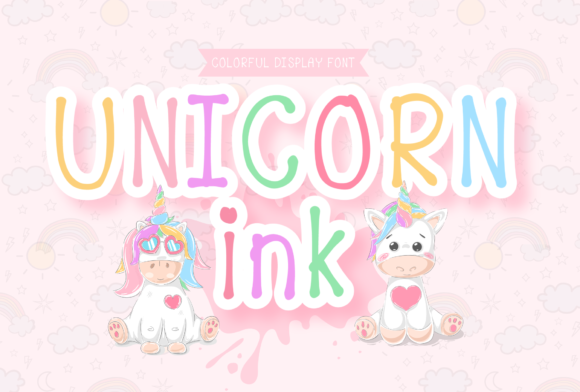
Unicorn Ink is a cute and simple, lettered handwritten font that can be used for all chalkboard quotes or teaching material. Its authentic look will add a personal and realistic feel to your designs. As a Script Handwritten font, it brings a soft, friendly energy to any project. It’s perfect for businesses looking to inject a bit of charm into their visual identity without overcomplicating things.
Unicorn Ink for Candle Labels and Product Packaging
When I first tried using Unicorn Ink on my candle labels, I was instantly drawn to its delicate, handcrafted aesthetic. The font feels like it was written with care, which perfectly matches the artisanal nature of my products. I used it for the product names, scent descriptions, and even the tagline on my packaging. The result was a cohesive, polished look that made my candles stand out on the shelf.
One of the best parts about Unicorn Ink is how versatile it is. I paired it with a clean sans serif font for the ingredient list, which kept the design from feeling too busy. The contrast between the two fonts gave the label a balanced, professional feel. Plus, the handwritten style adds a touch of authenticity that resonates with customers who value handmade and personalized products.
How to Use Unicorn Ink in Small Business Design
If you’re a small business owner or an entrepreneur, you know that consistency is key. Whether you're designing a menu for your café, creating social media graphics for your online shop, or updating your business cards, having a unified visual language helps build trust and recognition. Unicorn Ink fits seamlessly into this process.
For example, I used Unicorn Ink for my café’s menu board. The font brought a warm, approachable vibe that matched the cozy atmosphere of my shop. I also used it on thank-you cards I send to customers after a purchase. The personal touch made a big impact, and many customers mentioned how much they appreciated the thoughtful detail.
Another great use case is for digital ads and social media posts. Unicorn Ink works well as a display font for headlines and short phrases. It’s especially effective when paired with a bold, modern typeface for subheadings or captions. This combination gives your content a fresh, engaging look that stands out on platforms like Instagram and Facebook.
Unicorn Ink for Branding and Logo Design
When I was redesigning my brand’s logo, I wanted something that felt both professional and approachable. I experimented with several fonts before landing on Unicorn Ink. Its playful yet refined style struck the right balance for my business. I used it for the main logo text and added a subtle shadow effect to give it depth and dimension.
One thing I love about Unicorn Ink is how it adapts to different design contexts. It works well as a headline font, a decorative accent, or even as part of a larger typographic hierarchy. For instance, I used it for the title of my newsletter and paired it with a more traditional serif font for the body copy. The result was a clean, readable layout that still felt creative and unique.
It’s also important to consider readability when using a handwritten font like Unicorn Ink. While it’s beautiful, it’s not always the best choice for long blocks of text. That’s why I recommend using it for short phrases, headlines, or logos rather than for large paragraphs. This way, you maintain clarity while still benefiting from the font’s charming personality.
Pairing Unicorn Ink with Other Fonts
Font pairing is a powerful tool in design, and Unicorn Ink pairs well with a variety of styles. If you want to create a modern, minimalist look, try combining it with a clean sans serif font like Helvetica or Arial. For a more elegant feel, pair it with a classic serif font such as Georgia or Times New Roman.
If you’re going for a more artistic or whimsical vibe, consider pairing Unicorn Ink with another script or handwritten font. Just be careful not to overload the design—too many similar fonts can make your work look cluttered. A good rule of thumb is to use one handwritten font and one clean, readable font in the same design.
Another tip is to check the file formats and licensing terms before using Unicorn Ink on your projects. Make sure it’s compatible with your design software and that you have the proper rights to use it for commercial purposes. Many fonts come with different weights and styles, so take time to explore what’s available before making your final selection.
Unicorn Ink for Digital and Print Projects
Whether you’re working on digital assets or printed materials, Unicorn Ink delivers consistent results. I used it for my online shop’s product banners and found that it looked great on both desktop and mobile screens. The font scales well and maintains its character across different sizes and resolutions.
For print projects, like business cards or stickers, I made sure to test the font at various sizes to ensure it remained legible. I also checked how it looked when printed on different paper stocks, as some textures can affect the overall appearance of a font. In every case, Unicorn Ink held up well and added a nice, personal touch to my materials.
Another benefit of using Unicorn Ink is that it works across multiple platforms. I used it in Adobe Illustrator for my packaging design and in Canva for my social media templates. The font rendered consistently in both programs, which saved me a lot of time and effort during the design process.